
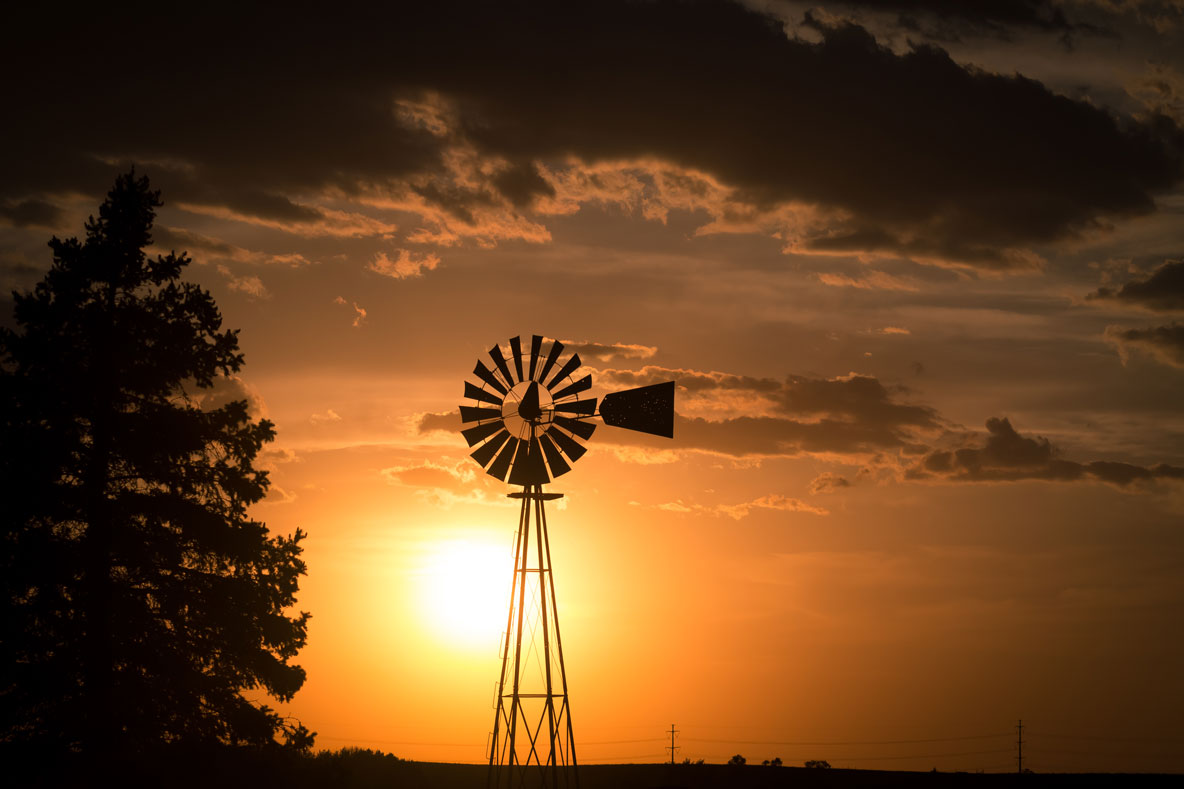
For decades, traditional windmills have dotted the landscapes of farms and ranches, serving as a reliable source of power to pump water from wells and into livestock troughs or irrigation systems. However, as time marches on, so too does technology. Today, many farmers and ranchers are considering the switch from old-fashioned windmills to modern solar-powered water pumps. The transition is not just a trend but a thoughtful move towards sustainability, cost efficiency, and reliability.
The History of Traditional Windmills
Traditional windmills have a rich history, deeply intertwined with agricultural practices, particularly in rural America. Originating in the mid-19th century, these windmills became vital for farmers and ranchers who relied on them to pump water from underground sources; and more than one million such windmills had been erected across the United States.
As mechanical marvels of their time, these windmills utilized wind power to operate a pump, providing a reliable water supply for livestock and crops. Over time, they became symbols of self-sufficiency and innovation, with their distinct structures dotting the American landscape. However, as technology advanced, these once-indispensable machines began to fade into history, replaced by more efficient systems.
Source – Atlas Obscura
The Pain Points of Traditional Windmills
Before diving into the benefits of solar power, it’s essential to understand the challenges associated with traditional windmills. These iconic structures, while effective in their prime, now present a variety of pain points for modern-day farmers and ranchers.
Expensive Parts and Repairs:
Windmills are complex mechanical devices with many moving parts. Over time, these parts wear out, break, or become obsolete. The cost of replacement parts can be exorbitant, especially for older models where the parts are no longer in production. Even when parts are available, they often require specialized knowledge and tools to install, adding to the overall expense.
Dependence on Skilled Engineers:
Windmill repair is not a DIY job. It often requires skilled engineers or technicians who understand the intricacies of these machines. Not only does this increase the cost of maintenance, but it also introduces delays, as these specialists might not be readily available. Waiting for a technician can leave livestock without water for an extended period, which is not an option in hot climates.
Unreliable Operation:
Windmills are dependent on wind. When the wind doesn’t blow, the mill doesn’t turn, and no water is pumped. This variability can lead to inconsistent water supply, which is particularly problematic during periods of drought or in regions with less consistent wind patterns.
High Maintenance Requirements:
Windmills require regular maintenance to ensure they are operating efficiently. This can be a time-consuming process, involving the lubrication of moving parts, checking for wear and tear, and ensuring that the structure is stable and secure. Given the height and complexity of windmills, maintenance can also pose safety risks for those involved.
The Benefits of Switching from Windmills to Solar-Powered Water Pumps
Given the challenges associated with traditional windmills, it’s no surprise that many farmers and ranchers are making the switch to solar-powered water pumps. Solar technology offers a host of benefits that make it a superior choice for modern agriculture.
Cost Efficiency:
One of the most compelling reasons to switch to solar-powered water pumps is the significant reduction in operational costs. After the initial installation, solar panels require minimal maintenance and have no ongoing fuel costs. Sunlight, unlike wind, is a consistent and free resource, allowing for a more predictable and stable energy supply.
Easy Maintenance:
Solar-powered systems are designed to be low-maintenance. Unlike windmills, which have numerous moving parts that can break down, solar water pumps have fewer mechanical components, reducing the likelihood of malfunction. Additionally, the maintenance that is required—such as cleaning the solar panels—is straightforward and can often be performed by the farmers or ranchers themselves, eliminating the need for expensive engineers.
Reliability and Consistency:
Solar power offers a more reliable source of energy compared to wind. Solar panels can generate electricity even on cloudy days, albeit at a reduced efficiency. This reliability ensures that water is consistently pumped when needed, reducing the risk of water shortages for livestock or crops. Moreover, modern solar water pumps often come with battery storage solutions, allowing excess energy to be stored and used during the night or on particularly cloudy days.
Scalability:
Solar-powered water pumps can easily be scaled to meet the needs of any operation, large or small. Whether you’re running a small family farm or a large ranch, solar solutions can be tailored to provide the exact amount of water required, without the need for oversized or inefficient equipment. This scalability ensures that you only pay for what you need, further enhancing cost savings.
Environmental Sustainability:
Switching to solar power aligns with the growing trend towards sustainability in agriculture. Solar energy is a clean, renewable resource that reduces the carbon footprint of farming operations. By transitioning from windmills to solar, farmers and ranchers can contribute to environmental conservation, helping to reduce the overall impact of agriculture on the planet.
Government Incentives and Rebates:
Many governments offer incentives, rebates, and tax breaks for the installation of solar-powered systems. These financial incentives can significantly offset the initial cost of purchasing and installing solar panels, making the transition even more affordable. By taking advantage of these programs, farmers and ranchers can invest in solar technology at a reduced cost while reaping long-term savings. Take a look here for more information on incentives in the US.
Adaptability to Modern Technology:
Solar-powered systems are often integrated with modern technology, such as remote monitoring and automated controls. This allows farmers to monitor water levels, pump performance, and energy production in real-time, often from a smartphone or computer. This level of control and insight can lead to more efficient water use and better management of resources, ultimately improving the overall productivity of the farm or ranch.
Conclusion
The transition from traditional windmills to solar-powered water pumps is not just a matter of convenience; it’s a strategic move towards greater efficiency, reliability, and sustainability in agricultural operations. For farmers and ranchers looking to save on water costs and reduce their environmental impact, solar power offers a compelling solution. With lower maintenance costs, reliable performance, and the ability to harness free, renewable energy, solar-powered water pumps are quickly becoming the preferred choice for modern agricultural operations.
By embracing solar technology, farmers and ranchers can not only ensure a consistent and reliable water supply but also contribute to a more sustainable future for the agricultural industry. Whether you’re motivated by cost savings, environmental concerns, or the desire to modernize your operation, solar power is a wise and forward-thinking choice.
Invest in a Solar-Powered Water Pump today.
Resources
Success story – Cincinnati Nature Center
A solar water pumping system. This idea became the solution to the Cincinnati Nature Center’s dream of efficient, sustainable irrigation at its Long Branch Farm, a well-known Ohio nursery for native plants. View the case study and watch the videos here.
How to Save Costs and Become More Sustainable
Discover how gardening can be a sustainable practice that supports the ecosystem and tips for becoming more efficient in watering horticultural projects. Find out more.
