

Nature centers play a pivotal role in environmental education and conservation, yet they often operate with limited budgets. Implementing solar power solutions can significantly reduce operational costs while promoting sustainability. This article explores various strategies for nature centers to harness solar energy, including the integration of solar-powered water pumps, to achieve financial savings and environmental benefits.
1. Installing Solar Photovoltaic (PV) Panels
One of the most effective ways to reduce electricity expenses is by installing solar PV panels. These panels convert sunlight into electricity, decreasing reliance on grid power and lowering utility bills. The cost of solar PV has declined significantly over the past decade, making it a more accessible option for organizations with limited budgets.
Solar PV panels can be mounted on roofs or installed in open spaces within the center’s premises. The energy generated can power various facilities, from visitor centers to administrative offices. Moreover, any excess electricity can often be sold back to the grid, providing an additional source of income.
2. Utilizing Solar-Powered Water Pumps
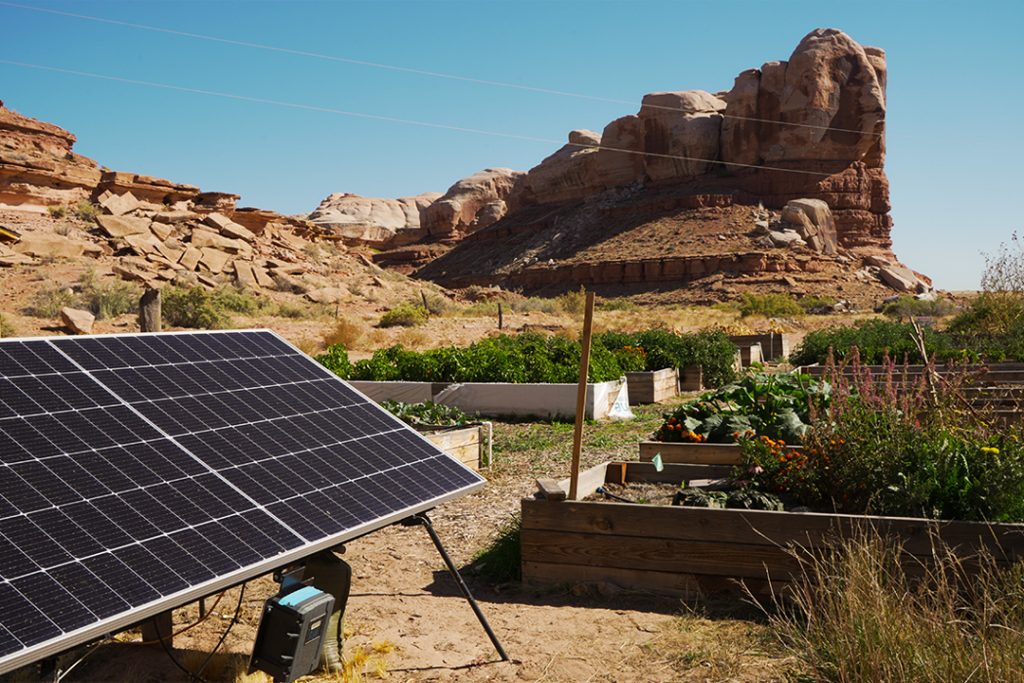
Water management is essential for nature centers, especially those maintaining habitats or educational gardens. Traditional water pumps can be energy-intensive and costly to operate. Solar-powered water pumps offer an eco-friendly and cost-effective alternative. They are particularly beneficial in remote areas without access to the electrical grid and require minimal maintenance.
For instance, Soler Solutions offers a solar-powered water pump system that can be seamlessly integrated into a nature center’s infrastructure. This system helps reduce both energy consumption and operational costs, making it an ideal solution for sustainable water management.
3.Implementing Solar Water Heating Systems
Nature centers with facilities such as restrooms, kitchens, or visitor centers can benefit from solar water heating systems. These systems use solar energy to heat water, reducing the need for conventional water heaters powered by electricity or gas. This transition can lead to substantial savings on energy bills over time.
Solar water heating systems are relatively easy to install and can be tailored to meet the center’s specific needs. These systems also contribute to the center’s overall sustainability goals by reducing reliance on fossil fuels.
4.Leveraging Solar Lighting Solutions
Outdoor lighting is crucial for safety and enhancing visitor experiences during evening hours. Solar-powered lighting systems eliminate the need for extensive wiring and reduce electricity costs. Advancements in solar lighting technology have led to more efficient and reliable options suitable for various outdoor settings.
Solar lights are particularly useful for illuminating pathways, parking areas, and outdoor exhibits. They operate independently of the grid, providing consistent lighting without adding to the electricity bill.
5.Exploring Community Solar Programs
For nature centers unable to install their own solar panels, participating in community solar programs can be a viable alternative. These programs allow organizations to benefit from solar energy without on-site installations, often at reduced rates compared to traditional utility services. This approach supports renewable energy adoption and can lead to cost savings.
Community solar programs typically involve multiple participants sharing the energy output from a single solar array. This model provides access to renewable energy for those who may not have the resources to install solar systems independently.
6.Engaging in Energy Efficiency Measures
While investing in solar technology is beneficial, combining it with energy efficiency measures maximizes cost savings. Simple actions such as installing energy-efficient appliances, using programmable thermostats, and enhancing insulation can significantly reduce energy consumption, complementing the benefits of solar installations.
Energy audits can help identify areas for improvement. By optimizing energy use, nature centers can reduce their overall consumption and further decrease their operational costs.
7. Accessing Grants and Incentives
Various grants, subsidies, and tax incentives are available to support the adoption of solar energy solutions. Nature centers should research federal, state, and local programs that provide financial assistance for renewable energy projects. These incentives can offset initial installation costs and improve the return on investment.
In many cases, non-profit organizations like nature centers may qualify for additional support, making solar energy projects more financially feasible.
8. Partnering with Solar Solutions Providers
Collaborating with experienced solar solutions providers ensures the selection of appropriate systems tailored to a nature center’s specific needs. Soler Solutions, a business partner of the Association of Nature Center Administrators (ANCA), offers expertise in implementing solar technologies that align with nature centers’ operational goals.
By working with trusted partners, nature centers can more effectively navigate the complexities of solar installations, ensuring optimal performance and long-term benefits.
In conclusion, integrating solar power solutions presents a multifaceted opportunity for nature centers to reduce operational costs, promote sustainability, and serve as examples of environmental stewardship. By adopting technologies such as solar PV panels, solar-powered water pumps, and solar lighting, and by engaging in energy efficiency practices, nature centers can achieve financial savings while advancing their educational and conservation missions.
