
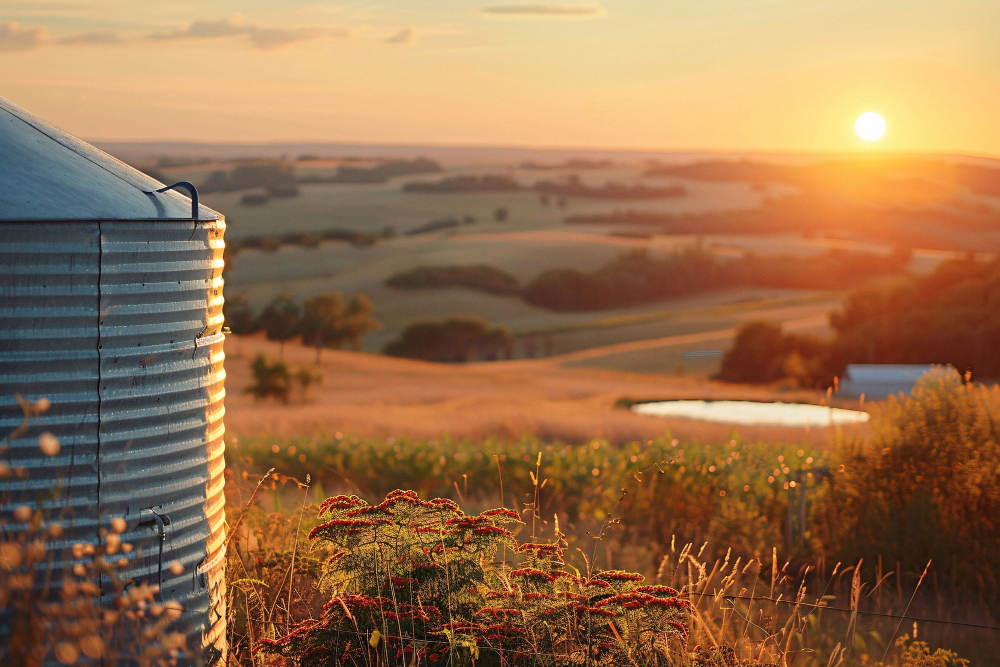
Water access is not always about finding more water. In a lot of communities, the source already exists, a pond, a well, a river, or a storage tank. The barrier is getting that water to the point of use, reliably, affordably, and without a system that becomes too costly or complicated to keep running.
For NGOs, this is where the biggest impact often lives. When you focus on the practical blockers, power, distance, operating cost, and water waste, you can reduce water access barriers in ways that last.
What is an NGO, and why they are central to water access
A non-governmental organization (NGO) is an independent, mission-led group that works outside the government. In water access projects, NGOs often sit in the best position to connect real local needs with funding, delivery, and long-term ownership.
That matters because water projects fail for predictable reasons. Not because people do not care, but because the design does not match the day-to-day reality on site.
The most common water access barriers NGOs can remove
If you can name the barrier, you can design around it.
1) Energy dependence
Diesel pumps and grid-dependent systems can collapse under price spikes, outages, or supply issues. Removing fuel and electricity dependency can be a massive step toward reliability.
2) “Last mile” water movement
Water might be close, but still unusable if it is separated by a road, a slope, a long pipe run, or difficult terrain. Access fails when moving water costs more than the project can sustain.
3) Water waste through inefficient delivery
If irrigation is inefficient, you end up pumping more than you need. Soler notes that 60% of the 2,500 trillion liters of water used in agriculture is wasted each year, which is why the delivery method matters just as much as the pump.
4) Maintenance and parts complexity
A system that needs specialist servicing or hard-to-source parts can slowly fail. Durable projects are usually the ones with simple routines, basic spares, and clear roles.
5) Funding that covers install, but not long-term operations
A grant might fund the build, but the community lives with the operating costs. If monthly bills stay high, projects stall.
A practical NGO playbook for reducing water access barriers
A step-by-step framework for identifying the true bottlenecks, designing for local ownership, and ensuring water access holds up in everyday use.
Start with a barrier map, not a shopping list
Before choosing equipment, map:
- the source (where water comes from)
- the route (distance, elevation, crossings, security)
- the use points (crops, beds, livestock, sanitation)
- the constraints (power, permissions, seasonality)
- the likely failure points (clogging, vandalism, silt, freezing)
This keeps you focused on the real bottleneck.
Build for local operation from day one
Design for the people who will run it long after install day:
- assign named caretakers
- keep maintenance routines simple and visible
- use straightforward monitoring (basic flow checks and leak checks go a long way)
- plan for handover and refresher training
Treat efficiency as part of access
Efficiency is not a “nice add-on.” It is part of access. Drip irrigation and root-zone delivery reduce evaporation and waste, meaning less pumping time and more impact per gallon.
Measure outcomes that funders and communities both care about
A short list is best:
- operating cost before vs after
- uptime and downtime
- water delivered per week
- water saved through efficient delivery
- food production consistency where relevant
How Soler Solutions can help NGOs remove water access barriers
Soler Solutions is built around a simple approach: use solar energy to move water where it is needed, without ongoing fossil fuel costs or grid dependency. The core offering is a plug-and-play Solar-Powered Water Pump System designed to support practical, on-the-ground water movement for agriculture and horticulture.
For NGO projects, the value is often in the operational reality:
- no electricity requirement at the point of use
- low maintenance expectations (fewer moving parts to manage over time)
- clean, quiet operation with no fuel logistics
- portability when a site needs flexibility, or secure setup when it needs permanence
It also fits a wider sustainability lens, especially for organizations tracking water conservation, emissions reduction, and resilience outcomes through a sustainability framework.
If your project spans specific settings, Soler also speaks directly to use cases like nature centers, agriculture, and horticulture, which can help NGOs frame solutions in ways that match stakeholder needs.
Soler’s help in action
The best way to understand how NGOs can reduce water access barriers is to look at real projects where the water existed, but access did not.
Cincinnati Nature Center: turning a pond into usable irrigation
Cincinnati Nature Center is a nonprofit operating a native plant nursery at Long Branch Farm. Irrigation required electric grid connections to the field and county water pumped through extended lines. The nursery had a nearby cattle pond across a road, but the cost of moving water from the pond to plant beds and covered nursery space was beyond the nonprofit’s budget.
Soler Solutions stepped in with a fully solar-powered water movement setup that moved water from the pond across the road to the field. This unlocked drip irrigation for lines of new plantings and spray for grown specimens, without ongoing grid electricity or county water costs.
Why this matters for NGOs:
- the source was already on site
- the barrier was affordable movement across a real-world obstacle
- once movement was solved, efficient delivery made the system far more cost-effective
- the long-term win was predictable operations, not just a one-time installation
St. Christopher’s Mission, Bluff, Utah: consistent irrigation in an arid region
St. Christopher’s Mission in Bluff, Utah, led by the Episcopal Church in Navajoland, serves a community within tribal territory in a dry region where growing crops can be difficult much of the year. With 30 raised garden beds, the project needed a reliable way to move water from a large storage tank to the beds.
With Soler’s Solution Solar-Powered Water Pump System, water is moved from storage to each bed and conserved through drip irrigation supplied directly to plant roots. This reduces evaporation and cuts reliance on expensive fossil fuels, supporting more consistent food production even during drought and extreme heat conditions.
Why this matters for NGOs:
- storage plus targeted delivery stabilizes growing schedules
- lower reliance on fuel removes a major long-term risk
- drip-to-root delivery improves results when water is limited
Bringing it together: reduce barriers, then build resilience
The strongest NGO water projects do not just “install a pump.” They remove the everyday blockers that stop water from flowing consistently, then build a simple operating model that local teams can run and maintain season after season.
If your work is focused on reducing water access barriers, start with the barrier map, design for local operation, and make efficiency part of access. When solar-powered water movement is the right fit, Soler Solutions can support long-term reliability without adding fuel dependency, using our plug-and-play Solar-Powered Water Pump System to move water from a usable source to the point of need in a clean, practical way.
