
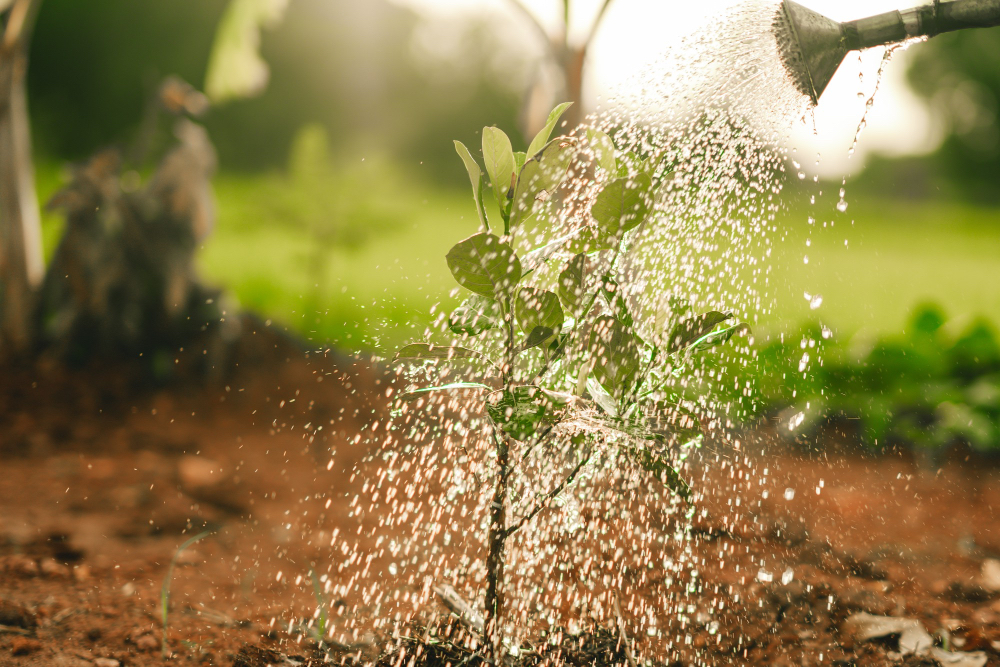
Water is getting harder to rely on. Droughts are more frequent, costs are rising, and growers are expected to do more with less while still caring for the land.
Conserving Water in Agriculture and Horticulture is not just about being green. It protects yields, cuts bills, and makes your operation more resilient when weather and markets are unpredictable. For a wider look at why water conservation matters, Soler’s overview on sustainable water use is a good place to start.
This guide walks you through practical, real-world ways to save water, whether you are running a ranch, managing orchards, or tending raised beds and polytunnels. It also explains how a solar-powered water system can be used to move and manage that water efficiently.
1. Start with a quick water checkup
Before you invest in anything new, get clear on how you use water today. A simple walkaround can reveal a lot.
Look for:
- Leaks at hose connections, troughs, valves, and taps
- Areas where water regularly pools or runs off instead of soaking in
- Zones that always look stressed or waterlogged compared to others
Timers or habits that mean you water because it is a certain day, not because plants need it, are also worth questioning. Tightening fittings and fixing slow drips can save thousands of gallons over a season for very little effort or cost.
2. Build soil that hangs on to moisture
The cheapest water storage you will ever have is healthy soil. When soil is rich in organic matter, it holds more moisture and releases it slowly to the roots.
You can:
- Add compost or well-rotted manure to improve structure
- Grow cover crops between main crops to protect the soil surface
- Mulch around crops and perennials with straw, wood chips, or other organic materials
These steps help both farms and horticulture projects. They reduce how often you need to irrigate and help plants stay steady in hot, dry spells.
3. Deliver water where it is actually needed
Not all irrigation is equal. Spraying water into the air is quick, but it often means high evaporation and uneven coverage.
More efficient options include:
- Drip lines that feed water straight to the root zone
- Micro sprinklers for orchards, vineyards, and larger perennial beds
- Soaker hoses for smaller gardens, borders, and raised beds
These are not competitors to your pump. They are the parts that decide how water reaches plants once you have moved it.
A solar-powered water movement system, like the Solar Powered Water Pump System from Soler Solutions, sits at the start of that chain. It moves water from your source – pond, tank, well, or storage – into these efficient delivery systems without needing grid power or fuel.
Key benefits include:
- Zero electricity required
- Low maintenance because the solar panels have no moving parts
- No noise or pollution on site
- Easy to move or secure in place
- Up to 18 gallons per minute over flat ground, with a reach up to 140 feet from a 500 W pump and a 540 W solar panel
Paired with drip, micro sprinklers, or soaker hoses, you are using both energy and water far more efficiently.
(insert video now: https://www.youtube.com/watch?v=ScWM3CA2LSI)
4. Plan crops and layouts with water in mind
Conserving Water in Agriculture and Horticulture is also about smarter design. A few choices at the planning stage can make irrigation easier and lighter on resources.
Consider:
- Choosing drought-tolerant or regionally adapted varieties where possible
- Grouping crops by water needs so you do not overwater one area to keep another alive
- Using windbreaks, hedges, or simple shade cloth to reduce heat and wind stress
- Positioning thirstier crops closer to your main water source or storage tanks
If you run larger operations, the agriculture sector overview shows how solar-powered water solutions can support crop planning, livestock watering, and long-term resilience.
5. Capture and reuse on-site water
A lot of water lands on your property and then simply runs away. With the right setup, you can turn that into a reliable resource.
Ideas to put into practice:
- Fit gutters to barns, sheds, and greenhouses to harvest rainwater into tanks
- Use ponds or cisterns as backup storage for dry weeks
- Pump from these stores to a header tank so gravity can feed drip lines or troughs
This is where solar power is especially useful. Soler’s plug-and-play solar water pump can move water from remote or off-grid sources without you needing to run cables or haul fuel. You can see how farmers are already doing this in the blog on off-grid irrigation and growing more with less.
The same system works across different sectors, from ranches to nurseries, highlighted in the sectors overview.
6. Let simple data guide your watering
You do not need a full smart farm setup to make better decisions. A few basic tools make a big difference.
- Soil moisture sensors or probes show when roots genuinely need water
- Timers prevent systems from being left on too long
- Flow meters can highlight unexpected changes that point to leaks
Combine these with a dependable solar-powered pump, and you can fine-tune how long and how often each zone is watered. That means healthier plants and less waste. For a bigger-picture view, Soler’s blog on why solar pumps are the future of agriculture joins the dots between data, energy, and water management.
How Soler fits into a water smart system
Soler Solutions exists to make sustainable water movement simple. The Solar Powered Water Pump System is an out-of-the-box, solar-driven unit that helps farmers move water to crops and livestock, and horticulture projects irrigate tunnels, beds, and borders with no grid connection.
This sits alongside a clear mission and vision for community-led, solar-powered water access, which puts long-term sustainability and resilience at the centre. It turns sunlight into reliable water movement that works with the efficient irrigation methods you choose.
Conserving Water in Agriculture and Horticulture is about making every drop count. If you are ready to cut waste, protect yields, and bring solar-powered water movement into your setup, explore Soler’s solar-powered water solutions or get in touch to see how they can work on your land.
