
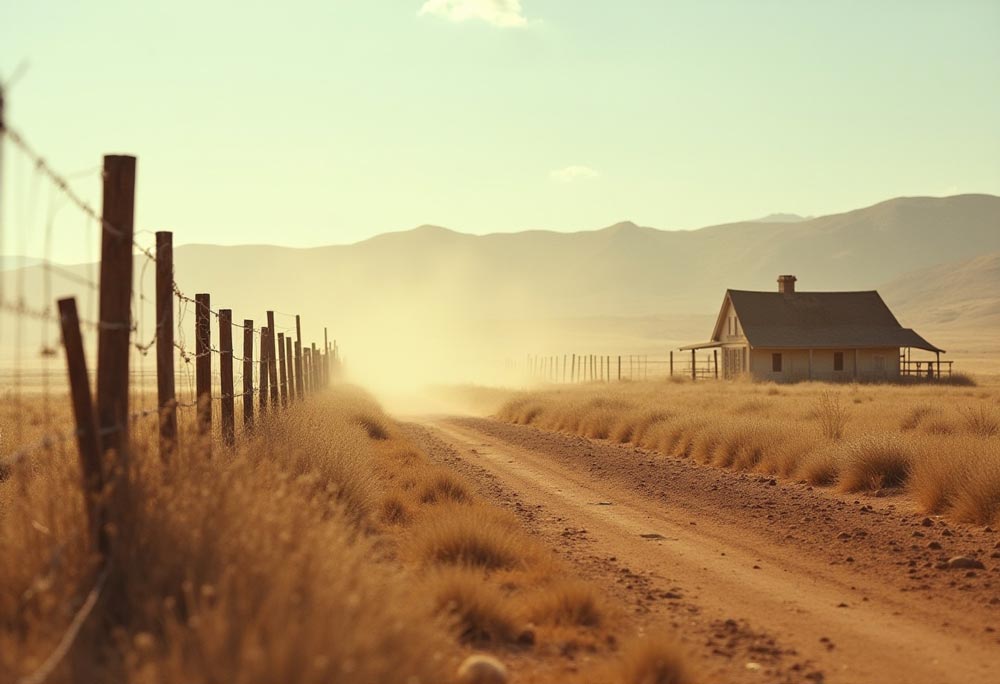
Hotter seasons, erratic rainfall, and aging systems are tightening water supplies across the United States. Conservation is how farms stay productive and how communities keep food secure. See how this connects to our wider work on sustainability.
What is driving the water crisis?
It isn’t caused by a single factor. Shifting weather, growing demand, and ageing systems all collide to stretch supplies thin. The main culprits are:
- Heat and drought: Longer dry spells increase plant stress and evaporation.
- Rain at the wrong time: Heavier downpours run off instead of soaking in.
- Shared demand: Households, farms, and industry tap the same limited sources.
- Leaky infrastructure: Outdated lines waste water and money.
Why does this matter to farmers and communities?
Water scarcity isn’t only about rivers and reservoirs – it hits the people who grow our food and shape our local spaces. From large farms to community plots, steady water supply underpins crops, costs, and resilience.
- Yields and costs: Scarce water raises inputs and risk for agriculture.
- Local food security: Community gardens and small growers in horticulture and nature centres need reliable, efficient watering.
- Soil and habitat: Smarter use protects soil structure and supports pollinators and wildlife.
How big is the gap right now?
The demand for water keeps climbing while supplies are shrinking. Agriculture still dominates usage, waste remains high, and more people are turning to home or community food growing. These pressures reveal a widening gap that conservation must help close:
- 60% of the 2,500 trillion liters used in agriculture each year is lost to waste like evaporation and runoff.
- 67% of U.S. adults are growing or planning to grow edible plants.
- 75% of U.S. growers want to be more sustainable.
More people are growing food while usable water tightens. Conservation helps close that gap.
What practical steps save the most water?
Big fixes often start small. Farmers and communities can make a real impact by focusing on everyday practices that cut waste, stretch supply, and keep crops resilient. Here are some of the most effective moves:
- Build soil health. Add compost and plant cover crops so fields hold more moisture.
- Target the root zone. Use drip or microirrigation with a filter and pressure regulator to reduce evaporation and runoff.
- Water by data. Trigger irrigation from soil-moisture readings instead of a fixed schedule.
- Choose the right window. Predawn or evening reduces wind and surface loss.
- Fix quiet leaks. Audit lines, valves, and fittings each season.
- Capture rain. Store roof runoff in tanks and connect it to your lines
- Protect storage. Shade or cover ponds and tanks to limit evaporation.
How can solar pumping support water conservation when power is limited?
Power can be distant, unreliable, or costly. A solar-powered pump system keeps water moving without grid extension or fuel.
- Operates off-grid with no ongoing fuel cost
- Plug-and-play kit with minimal maintenance
- Feeds drip, micro-spray, troughs, or storage from ponds, wells, or tanks
- Simple upkeep: clean panels, check filters, inspect fittings
Have questions? Visit the FAQs.
Who are we, and what is our mission?
At Soler Solutions, we help growers move water with solar power that cuts fuel costs and environmental impact. Our aim is to put community-controlled solar in the hands of farms and towns in developing nations and across the U.S., with an out-of-the-box, plug-and-play pump for crops, livestock, and standing water. Be part of the solution: the Soler Solution. Learn more in our Mission, Vision & Values and see the Solar-Powered Water Pump System.
What should you do next?
Start with soil, target irrigation at the root zone, add simple sensors, and capture rain. When you need to move water off-grid, the Soler Solar-Powered Water Pump System is the answer. It ties the system together to protect yields, lower operating costs, and support your community. For tailored support, contact us.
