
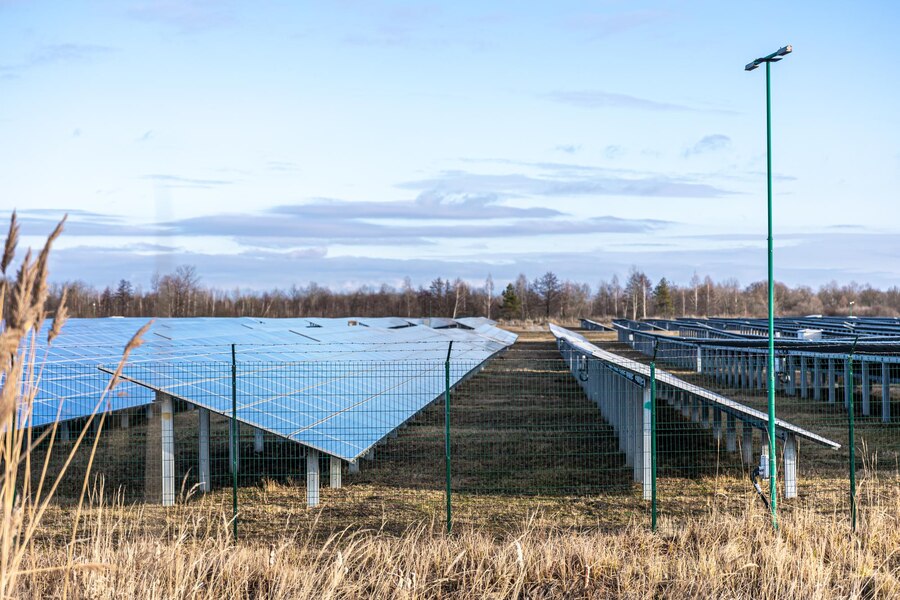
The world of agriculture is undergoing a revolution. As climate change accelerates, traditional farming practices are becoming less sustainable. Water scarcity, rising energy costs, and environmental degradation are all pressing issues that farmers face on a daily basis. To adapt, the industry seeks innovative solutions to reduce costs and increase sustainability. One such solution that has gained significant attention in recent years is the solar water pump.
Solar pumps harness the sun’s power for irrigation and water management, transforming agricultural operations. They are environmentally friendly and offer farmers a more cost-effective and reliable way to access water, especially in remote or off-grid locations. In this blog, we’ll explore why solar water pumps are the future of agriculture and how they are shaping the way we approach farming in a changing world.
The Growing Need for Sustainable Water Management in Agriculture
Water is the lifeblood of agriculture. Crops need a consistent water supply to thrive, but freshwater resources are becoming increasingly scarce in many parts of the world. According to the Food and Agriculture Organization (FAO), agriculture accounts for around 70% of global water usage. As populations grow and climate change accelerates, water resources are expected to become even more limited, making it essential for farmers to find alternative, sustainable ways to manage water.
Traditionally, agriculture has relied on electricity or fuel-powered pumps to draw water from wells, rivers, and reservoirs. However, these systems often come with high energy costs, environmental impact, and maintenance challenges, especially in rural or off-grid locations. This is where solar water pumps come into play. By utilizing renewable solar energy, these pumps provide an efficient and eco-friendly solution to the growing demand for water in agriculture.
How Solar Water Pumps Work
Solar water pumps use solar panels to convert sunlight into electricity, which powers the pump to move water from a source to the crops. The system works by capturing solar energy through photovoltaic (PV) panels, which then power an electric pump to deliver water directly to the irrigation system.
Solar pumps’ simplicity and efficiency are key factors in their growing popularity. Unlike diesel or grid-powered systems, solar pumps have minimal operating costs. Once installed, they require very little maintenance and no ongoing fuel expenses, making them a cost-effective solution in the long run.
Solar water pumps come in various sizes and configurations, meaning they can be adapted to suit a wide range of agricultural needs, from small family farms to large commercial operations. With advanced technology and higher-efficiency panels, solar pumps can even operate in areas with limited sunlight, expanding their utility to regions where traditional energy sources may not be available.
Benefits of Solar Water Pumps in Agriculture
- Cost-Effectiveness
One of the biggest advantages of solar water pumps is their ability to significantly reduce operational costs. Traditional fuel-powered pumps require ongoing fuel purchases, while electric pumps often incur high utility bills. In contrast, solar pumps run entirely on solar energy, which is free. Although the initial investment in a solar pump system can be high, the long-term savings on energy and fuel costs make it a smart financial choice for farmers looking to reduce overhead expenses. - Environmental Sustainability
Solar pumps are a clean, renewable energy solution. By using solar power instead of fossil fuels or grid electricity, they help reduce the carbon footprint of agricultural operations. This is increasingly important as the agricultural sector is under pressure to reduce its environmental impact and adopt more sustainable practices. With solar pumps, farmers can reduce costs and contribute to mitigating climate change. - Reliable and Off-Grid Operation
One of the most compelling reasons farmers are turning to solar water pumps is their ability to operate in off-grid locations. Many rural farms or remote agricultural sites don’t have access to reliable grid power, and fuel-powered systems can be costly and inefficient. Solar pumps are a perfect solution for these areas, as they rely entirely on sunlight and require no external power source. Once installed, they can provide a reliable, uninterrupted supply of water. - Low Maintenance Requirements
Solar water pumps are incredibly low maintenance. Once installed, they can operate for many years with minimal attention. The components are durable and designed to withstand harsh weather conditions, making them ideal for outdoor use. The absence of fuel requirements and the simplicity of the system also mean that farmers can spend less time maintaining their pumps and more time focusing on their crops. - Water Conservation
Solar water pumps can be equipped with smart technologies that enable farmers to monitor and optimize their water usage. By using efficient irrigation systems, such as drip irrigation or sprinkler systems, farmers can reduce water wastage and ensure that their crops get the precise amount of water they need. This is especially important in regions that experience water shortages or drought conditions.
Solar Pumps: The Path Forward for Agriculture
The adoption of solar water pumps in agriculture is growing rapidly, and it’s clear why. As the industry faces increasing challenges related to water scarcity, energy costs, and environmental sustainability, solar pumps offer a versatile and reliable solution that addresses all of these issues. From smallholder farmers in remote regions to large agricultural enterprises, solar water pumps can provide a sustainable way to manage water and reduce energy costs.
If you’re an entrepreneur or business owner interested in capitalizing on this growing trend, now is the perfect time to get involved in the solar pump market. Solar-powered water pump systems are in high demand, and with the right distributor network, you can tap into this lucrative market.
Become a Distributor of Solar Pumps with Soler Solutions
We understand the importance of bringing sustainable energy solutions to agriculture at Soler Solutions. That’s why we’ve launched our solar-powered water pump system, designed to provide farmers with an affordable, reliable, and eco-friendly way to irrigate their crops. Our systems are built to last, require minimal maintenance, and deliver consistent results, helping farmers conserve water and reduce costs while improving crop yields.
If you’re looking to expand your business and promote renewable energy solutions in your region, consider becoming a distributor for Soler Solutions. We’ve recently launched a Become a Distributor program to support individuals and companies interested in offering high-quality solar water pumps to farmers and agricultural businesses.
Becoming a distributor is an excellent opportunity to be part of the green energy movement while growing your business. You’ll gain access to cutting-edge products, marketing support, and a network of like-minded professionals by partnering with us. Whether you’re new to the solar industry or an experienced distributor, we provide all the resources you need to succeed.
Learn how your business can Become a Distributor today.
Bring Clean, Renewable Energy to Agriculture Today
The future of agriculture lies in sustainable, cost-effective solutions, and solar water pumps are leading the charge. By reducing energy costs, minimizing environmental impact, and providing reliable off-grid solutions, solar pumps are becoming an essential tool for farmers around the world. As the demand for sustainable agriculture solutions grows, now is the perfect time to get involved in this rapidly expanding industry. Whether you’re a farmer looking to save on costs or an entrepreneur interested in becoming a distributor, solar water pumps are the key to a greener, more efficient agricultural future.
Explore our solar-powered water pump system and learn how we can help you bring clean, renewable energy to the heart of agriculture.
