
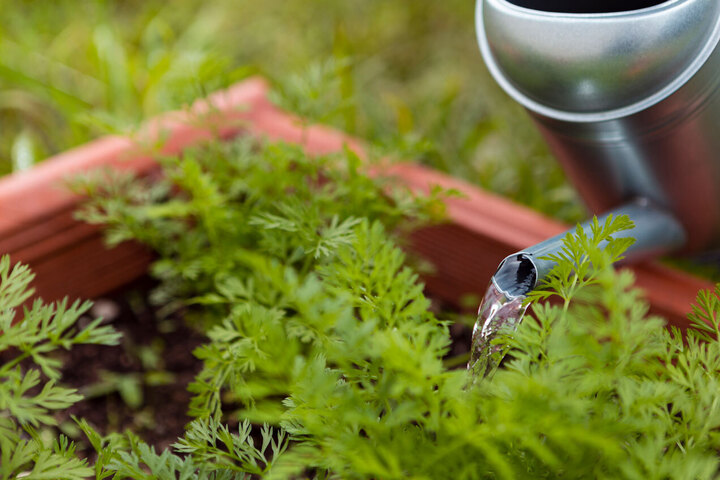
Water conservation is a critical topic in many industries today, but it holds particular significance in horticulture. As climate change intensifies and water resources become scarcer, the need for efficient water use in gardening and farming has never been more urgent. In horticulture, the right water management techniques can conserve resources and improve plant growth, ensuring that crops and ornamental plants thrive even in challenging conditions. One such innovation making waves in this space is solar-powered irrigation solutions, which are revolutionizing the way we approach water conservation.
The Importance of Water Conservation in Horticulture
Horticulture, which involves the cultivation of plants for food, beauty, and medicinal purposes, is highly water-dependent. In fact, agriculture accounts for roughly 70% of global freshwater use, with a significant portion of that devoted to irrigation for horticultural crops (Food and Agriculture Organization, FAO). As water scarcity becomes a growing concern, adopting sustainable practices that can reduce water waste while maintaining healthy plant growth is crucial.
Water conservation in horticulture isn’t just about using less water; it’s about using water more wisely. Efficient water management practices help preserve precious resources and enhance plant health. Overwatering can drown plant roots, leading to poor growth and fungal diseases, while underwatering can stress plants, resulting in stunted growth and reduced yields. Therefore, understanding how to balance water usage is key to achieving optimal horticultural results.
Techniques for Water Conservation in Horticulture
Several innovative techniques used in modern horticulture help conserve water while promoting plant health. These techniques are built on principles of efficiency, precision, and sustainability.
1. Drip Irrigation
Drip irrigation is one of the most water-efficient methods available for horticulture. Unlike traditional sprinkler systems, which spray water over a broad area (often resulting in water loss due to evaporation and runoff), drip irrigation delivers water directly to the roots of plants. This targeted watering system reduces water waste and ensures that plants receive consistent moisture.
Drip irrigation is particularly effective for row crops and garden beds, where each plant can be individually watered. By focusing water exactly where it’s needed, drip irrigation minimizes water usage, reduces weed growth (by keeping the surrounding soil dry), and prevents soil erosion. It’s a highly efficient solution, often using 30-50% less water than traditional irrigation methods.
2. Mulching
Mulching involves covering the soil around plants with a layer of organic or inorganic material, such as straw, wood chips, or plastic. This technique serves multiple purposes in water conservation. First, it helps retain moisture in the soil by reducing evaporation, ensuring that water is available for plant roots for longer periods. Second, mulch helps regulate soil temperature, keeping it cooler in the heat and warmer in colder months, reducing plants’ stress and enhancing their ability to absorb water. Finally, mulch can suppress weed growth, reducing competition for water and nutrients.
3. Rainwater Harvesting
Collecting and reusing rainwater has become an essential practice in water conservation in many parts of the world. Rainwater harvesting involves capturing rainwater from rooftops or other surfaces and storing it for later use in irrigation. This method can significantly reduce municipal water supply needs, making it a sustainable and eco-friendly solution for horticulturalists.
Rainwater is often better for plants than tap water because it is free of the chemicals and salts that can accumulate in the soil over time when municipal water is used. Implementing rainwater harvesting systems is an excellent way for gardeners and farmers to ensure a consistent water supply while reducing their reliance on local water sources.
Solar-Powered Irrigation: The Future of Water Conservation
Solar-powered irrigation systems are one of the most promising advancements in water conservation for horticulture. These systems leverage solar energy to power irrigation pumps, reducing the need for electricity or fossil fuels to run water pumps. By harnessing the sun’s power, solar-powered irrigation systems offer a sustainable solution to water management in areas with high energy costs or limited access to the electrical grid.
Like the one offered by Soler Solutions, a solar-powered water pump system can dramatically reduce water waste and operational costs. These efficient and environmentally friendly systems eliminate the carbon footprint associated with traditional electric or gas-powered pumps. The solar-powered pump collects solar energy through photovoltaic panels, then powers the pump that distributes water to the plants.
In horticulture, the benefits of solar-powered irrigation are numerous:
- Energy Efficiency: Solar-powered irrigation systems reduce energy consumption, cutting down on the environmental impact of conventional irrigation systems. They provide a renewable, sustainable source of energy, helping farmers and gardeners reduce their dependence on non-renewable resources.
- Cost Savings: While the initial investment in solar-powered irrigation systems can be higher than traditional irrigation systems, the long-term savings on energy costs can be significant. Over time, solar-powered systems can pay for themselves through reduced energy bills.
- Scalability and Flexibility: Solar-powered irrigation systems are highly scalable and can be adapted to fit various garden sizes or farm types. Whether for a small urban garden or a large-scale farm, solar-powered irrigation can be customized to meet the needs of the grower.
- Autonomy in Remote Locations: Solar-powered water pumps provide an invaluable solution to water access in rural or off-grid areas. By eliminating the need for electricity infrastructure, growers can install efficient irrigation systems in remote locations that might otherwise be inaccessible.
The Science Behind Solar-Powered Irrigation
The science behind solar-powered irrigation systems is relatively simple but highly effective. Solar panels convert sunlight into electricity through photovoltaic cells. This electricity powers a water pump that can draw water from a well, reservoir, or other water sources and distribute it to plants. Because the energy is derived from the sun, the system is both cost-effective and environmentally friendly.
A system typically controls the pump’s operation, ensuring water is delivered when and where it’s needed most. For instance, smart controllers can be integrated with the system to adjust watering schedules based on weather conditions or soil moisture levels, ensuring that water is used efficiently and only when necessary.
Join the water movement with Soler Solutions
Water conservation in horticulture is no longer just a nice-to-have; it’s a necessity. Horticulturists can reduce water waste and promote healthy, sustainable plant growth by implementing smart irrigation techniques such as drip irrigation, rainwater harvesting, and innovative solutions like solar-powered irrigation systems.
Solar-powered water pumps, like those offered by Solar Solutions, represent a key step forward in integrating renewable energy into agriculture. They conserve water and reduce energy costs, making them a win-win for growers and the planet.
As we move into an era of climate uncertainty, adopting water conservation strategies in horticulture will be essential in ensuring food security, biodiversity, and environmental sustainability. The combination of science, innovation, and technology holds the key to meeting these challenges head-on while fostering a healthier planet for future generations.
