
With climate change’s effects intensifying globally, conventional farming methods are facing significant challenges. Agriculture, essential for feeding the world’s population, is increasingly affected by unpredictable weather, water shortages, and soaring energy costs. In response to these issues, a fresh wave of sustainable energy solutions is arising to assist farmers, particularly solar power.
Agrivoltaics, which combines solar energy with farming practices, is a noteworthy innovation impacting agriculture. This method has the potential to transform agriculture by enabling farmers to enhance sustainability, lower expenses, and boost production. Let’s delve into the ways solar energy, especially through agrivoltaics, is transforming the agricultural landscape.
The Shift Toward Sustainable Agriculture
Contemporary agriculture encounters numerous challenges. Climate change has resulted in increased frequency and severity of droughts, floods, and erratic weather patterns, jeopardizing crop yields. Moreover, farmers are faced with escalating energy expenses for operating irrigation systems, machinery, and greenhouses. With the global population expected to approach 10 billion by 2050, the demand for food production is intensifying, putting additional strain on an already vulnerable system.
Given these challenges, there is an urgent need for sustainable farming practices that aid farmers in adapting while minimizing their environmental impact. Renewable energy sources, particularly solar power, play a vital role in this shift towards a more sustainable agricultural system. By utilizing solar energy solutions, farmers can decrease reliance on fossil fuels, lower expenses, and address climate change, all while ensuring future food production meets demands.
What Is Agrivoltaics?
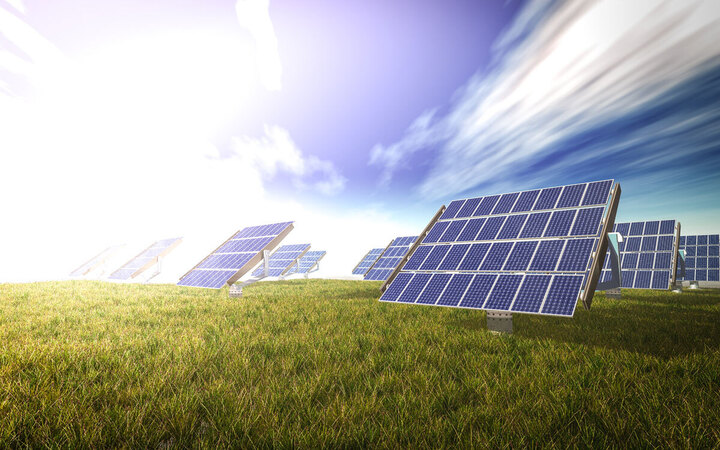
Agrivoltaics, a term combining “agriculture” and “photovoltaics,” refers to combining solar power with agricultural production on the same land. Instead of choosing between growing crops and installing solar panels, agrivoltaics allows farmers to do both. This method involves placing solar panels above crops or livestock, creating a dual-use system that maximizes the land’s potential.
Solar power is harnessed through photovoltaic panels that convert sunlight into electricity, which can then be used on-site or sold to the grid. Meanwhile, the land underneath the panels is still available for agricultural activities, whether it’s growing crops, raising livestock, or even implementing agroforestry. This approach is particularly useful in regions with abundant sunlight and limited arable land.
In a previous blog by Soler Solutions, we explored how solar-powered systems are changing the way farmers manage resources and energy demands. One such solution, the solar-powered water pump system, helps farmers access water more efficiently, especially in remote or off-grid locations. By using solar energy to power irrigation systems, farmers can drastically reduce energy costs and ensure water is available even during power outages or when the grid is down. Solar-powered water pumps are essential to sustainable agriculture, as they provide a reliable, eco-friendly solution to water scarcity.
Agrivoltaics: The Perfect Solution for Farmers
So, what makes agrivoltaics such an appealing option for farmers? There are several key benefits that make this hybrid approach a game-changer for the agricultural sector:
- Increased Land Use Efficiency: Agrivoltaics allows farmers to generate solar energy without sacrificing productive land. The ability to combine solar power generation with crop production means farmers can diversify their income streams, reduce costs, and optimize land use.
- Improved Crop Yields: Interestingly, the shade provided by solar panels can benefit certain crops by protecting them from extreme heat, reducing water evaporation, and improving overall growing conditions. Studies have shown that agrivoltaics can result in increased crop yields, particularly for water-intensive crops like tomatoes and leafy greens.
- Reduced Water Usage: Solar-powered irrigation systems, such as the ones offered by Soler Solutions, are essential in water-scarce areas. By using solar energy to power pumps, farmers can efficiently water their crops without relying on the electrical grid, leading to significant savings on energy costs and a more sustainable water use model.
- Energy Independence: Farmers can lessen their reliance on outside energy sources by installing solar panels. This is crucial in remote regions where access to the grid can be limited or inconsistent. Solar energy offers a clean, renewable power source suitable for a range of farming activities, including irrigation and machinery operation.
- Environmental Benefits: Agrivoltaics not only help farmers become more self-sufficient, but they also contribute to broader environmental goals. Solar power is a clean, renewable source of energy that reduces greenhouse gas emissions and lessens the environmental impact of farming.
Solar Energy and Agriculture: Case Studies of Agrivoltaic Projects
Agrivoltaics transcends being merely theoretical—there are successful real-world examples. Various pilot projects have shown the remarkable potential of merging solar energy with agriculture, yielding impressive outcomes.
- Germany is a frontrunner in agrivoltaics, featuring numerous farms where solar panels are placed over crops such as lettuce, cucumbers, and strawberries. These setups generate electricity while also protecting vulnerable crops from severe weather, including frost and harsh sunlight. Farmers in Germany have noted increased yields and reduced energy costs.
- California: Renowned for its sunny climate and agricultural production, it is witnessing the emergence of agrivoltaics as a viable solution for farmers grappling with water scarcity. A notable initiative involved the installation of solar panels above almond orchards, which enabled the generation of solar energy while still yielding premium-quality almonds. This initiative has contributed to enhanced water efficiency and lower energy expenses.
- Japan: Japan has also embraced agrivoltaics, particularly in its mountainous regions, where space for traditional agriculture is limited. Here, solar panels are installed on the land and power irrigation systems supporting crops like rice, vegetables, and fruit. The combination of solar power and agriculture has helped boost local economies and ensure food security in rural areas.
The Future of Agrivoltaics
The future of agrivoltaics looks promising. As more farmers recognize the advantages of solar power in agriculture, this technology is projected to grow quickly. Combining solar panels with farming meets the increasing demand for renewable energy while providing a sustainable food security and water conservation approach.
In the coming years, we can expect advancements in solar technology that will make agrivoltaics even more efficient. For example, innovations in solar-powered water pump systems will continue to enhance irrigation systems, reducing water wastage and increasing crop productivity. Additionally, governments and private companies are likely to invest more in agrivoltaics, creating incentives for farmers to adopt these sustainable solutions.
As we continue to face global challenges such as climate change, resource depletion, and population growth, solar power, and agrivoltaics will play an increasingly important role in transforming agriculture. By harnessing the power of the sun, farmers can not only reduce their environmental impact but also ensure a more sustainable, resilient future for agriculture.
Conclusion
Solar energy is significantly reshaping agriculture by providing creative solutions to modern farmers’ challenges. Agrivoltaics, which merges solar energy with farming practices, serves as a robust strategy to enhance productivity, boost sustainability, and lower expenses. Farmers can tap into renewable energy by utilizing solar-powered water pumps, making their operations more efficient and resilient. As this technology evolves, it offers the potential for a more sustainable and promising future for agriculture around the globe.
