
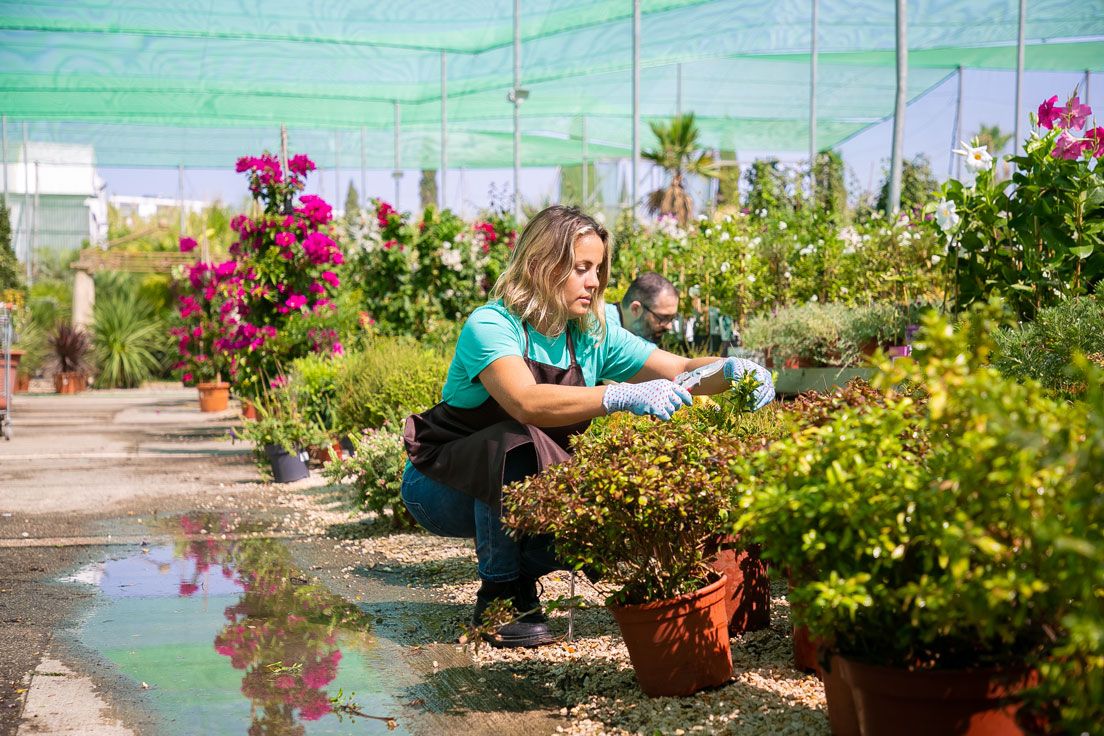
Running a nature center is a rewarding endeavor, but it also requires careful budgeting and resource management to balance educational goals with operational costs. By incorporating sustainable practices, nature centers can reduce their environmental footprint and cut expenses. Below are practical, sustainable cost-saving tips for nature centers and insights into how addressing pressing environmental issues—such as water conservation—can make a lasting impact.
1. Invest in Water Conservation
Water conservation is critical in many parts of the U.S., where droughts and water shortages have been exacerbated by climate change. According to recent reports, regions like California and Texas are facing historic water crises. Groundwater levels and reservoir capacities are severely depleted, posing significant challenges for communities and ecosystems. Nature centers can contribute to water conservation while reducing their operating costs by implementing efficient water management systems.
One effective strategy is to install low-flow faucets and toilets in public facilities to minimize water use. Additionally, consider planting native vegetation that requires less water and naturally supports local wildlife. Another excellent addition is the use of a solar-powered water pump. This type of pump can reduce reliance on traditional electricity, resulting in energy savings and eco-friendly water management for irrigation, especially useful for natural landscapes, ponds, or outdoor exhibits.
2. Transition to Renewable Energy Sources
Electricity costs can mount up, especially if your nature center has multiple exhibits or relies on lighting for evening events. Installing renewable energy sources, such as solar panels, can offset a significant portion of these costs. For nature centers located in sunny regions, solar energy is particularly effective. Not only do solar panels help cut energy bills, but they also demonstrate a commitment to sustainable practices—a message that can resonate strongly with visitors.
Consider evaluating your facility’s energy usage to identify high-consumption areas. You might find that lighting, HVAC systems, or water pumps are among the biggest energy draws. In these cases, switching to energy-efficient LED lighting, smart thermostats, and solar-powered water pumps can lead to substantial savings.
3. Optimize Waste Management
Managing waste effectively is another way to save costs and reduce the environmental footprint of a nature center. Begin with a thorough waste audit to assess the types and quantities of waste generated by your facility. This can help you identify areas for improvement, such as reducing single-use plastics in cafeterias or gift shops.
Set up clearly marked recycling stations throughout the center, making it easy for visitors to participate in waste reduction efforts. Composting organic waste, such as food scraps from any on-site café, can also provide rich soil for on-site gardens or landscaping, reducing the need for store-bought fertilizers.
4. Use Sustainable Building Materials and Green Infrastructure
When it comes time to update or expand facilities, choose sustainable building materials to lower the environmental impact. Options like bamboo flooring, reclaimed wood, and recycled steel are not only eco-friendly but also durable and often more affordable in the long term. Green infrastructure, such as rain gardens or permeable pavement, can help manage stormwater naturally and prevent soil erosion.
For example, a rain garden absorbs rainwater and filters pollutants before the water flows back into the ground. This not only supports water conservation efforts but also contributes to healthier ecosystems surrounding your nature center.
5. Reduce Water and Energy Use in Landscaping
Landscaping is often one of the highest recurring costs for nature centers. To reduce both water and energy use, consider xeriscaping—landscaping that uses drought-resistant plants suited to the local climate. Native plants usually require less water, fertilizers, and pesticides, as they are adapted to thrive in the local environment. Additionally, they provide critical habitat for local wildlife, creating an ecosystem that enhances the visitor experience.
A solar-powered water pump system can further cut costs by minimizing reliance on grid power. Soler Solutions’ solar-powered water pump can be especially beneficial for larger properties with multiple water features, helping maintain a natural aesthetic while conserving water and saving on utility expenses.
6. Establish a Sustainable Visitor Experience
Encourage visitors to practice sustainability by creating programs and initiatives that educate them about eco-friendly habits. Interactive exhibits on water conservation, wildlife protection, or renewable energy can inspire visitors to incorporate these values into their own lives. Additionally, offering workshops on DIY sustainability projects, such as rainwater harvesting or solar-powered gadgets, can create a deeper connection with visitors.
Nature centers can also provide reusable or biodegradable products in gift shops and cafeterias, reducing single-use plastic waste. Many visitors will appreciate the commitment to sustainability, and reusable products often have a longer-term impact on revenue than disposable options.
7. Leverage Grant Funding and Partnerships
Many grants and funding opportunities support green initiatives and educational programs. For instance, the National Environmental Education Foundation (NEEF) offers grants for environmental education projects that might include energy or water conservation programs. The U.S. Department of Agriculture (USDA) also offers financial support for rural development projects, which could apply to nature centers located in rural areas.
Additionally, partnerships with environmentally focused organizations could provide financial benefits. By aligning with a company like Solar Solutions—a proud partner of the Association of Nature Center Administrators (ANCA)—nature centers may have access to industry discounts on solar-powered products, installation expertise, and sustainable technology. Working with a like-minded partner not only boosts sustainability efforts but can also enhance your center’s visibility within the community.
8. Monitor, Measure, and Improve
Finally, continuously monitor and measure the effectiveness of your sustainability initiatives. Keep records of energy and water consumption, waste generation, and visitor engagement to track improvements over time. Regular assessments can reveal additional areas for cost savings or help refine current practices to be even more efficient.
Encourage staff and volunteers to contribute ideas and feedback, as they may have insights into daily operations that management might overlook. Small adjustments based on employee feedback can often lead to larger savings and improved operations.
Conclusion
Implementing sustainable practices at a nature center not only aligns with the mission of environmental stewardship but also provides significant cost-saving opportunities. From water conservation through solar-powered pumps to eco-friendly landscaping and energy-efficient building practices, every step towards sustainability has the potential to reduce operational costs and enhance the visitor experience.
Nature centers can look to innovative partners like Soler Solutions for reliable, eco-friendly technology that aligns with their mission. As a proud business partner of ANCA, Soler Solutions offers products that help nature centers like yours harness the power of renewable energy while promoting sustainable, responsible land and resource management. By committing to sustainable practices, nature centers can be leaders in conservation and education, inspiring future generations to protect and cherish our natural world.
